Drug Addiction Treatment Near Columbus: Solutions Available at Recreate Ohio
Finding drug addiction treatment near Columbus can feel urgent and complicated at the same time. Families often start searching after a frightening event: an overdose scare, a relapse after a period of stability, a job loss, a legal problem, or a loved one finally saying, “I need help.” In those moments, people are not looking for slogans. They need to understand what kinds of care exist, what a treatment center actually provides, and how to think through the next step without getting lost in clinical language.
Recreate Ohio, also known as Recreate Behavioral Health of Ohio, is located in Gahanna, just outside Columbus. The facility is part of Recreate Behavioral Health Network and offers detox, residential or inpatient rehab, and outpatient treatment. Recreate describes its Ohio location as providing a full continuum of care, including treatment for substance use and primary mental health services in a residential treatment setting.
That range matters. Drug addiction rarely fits neatly into one box. One person may need medical support to stop using safely. Another may be past withdrawal but unable to stay sober in the same environment where use has become routine. Someone else may be stable enough to live at home but still needs structured therapy several days a week. Effective drug addiction treatment depends on matching the level of care to the person’s clinical needs, safety risks, mental health symptoms, support system, and stage of recovery.
Why proximity to Columbus can make treatment more workable
For many people in central Ohio, treatment near Columbus offers a practical balance. It can create enough distance from familiar triggers while still keeping family involvement, aftercare planning, and local recovery supports within reach. Gahanna is close enough to Columbus that the location may be accessible for people from the city and surrounding communities, yet treatment still occurs in a dedicated setting rather than in the middle of the person’s everyday routine.
That distinction is not small. A person trying to stop using drugs often faces a tangle of cues: certain streets, paydays, phone contacts, old conflicts, isolation, sleep disruption, pain, shame, and the physical memory of withdrawal. Sometimes the first clinical task is simply to create enough space for the brain and body to stabilize. A treatment setting near home can help with that transition while allowing discharge planning to remain grounded in the real environment the person will return to.
Ohio’s system recognizes that addiction care should not be a single service. State law calls for a community-based continuum of care for opioid and co-occurring drug addiction. That continuum includes detoxification, outpatient services, medication-assisted treatment, peer support, residential services, recovery housing, and multiple pathways to recovery. The point is not that every person needs every service. The point is that people move through different levels of need, and the treatment system must be able to respond.
Recreate Ohio’s stated services fit within that broader idea of a continuum. Detox, residential treatment, outpatient treatment, therapy, medication-assisted treatment, and mental health services each serve a different role. When those services are connected thoughtfully, treatment can become less fragmented and more responsive.
Starting with the right level of care
A common mistake families make is assuming that all treatment is basically the same. It is not. Detox is different from residential rehab. Residential rehab is different from outpatient care. Medication-assisted treatment is not the same as counseling, though the two often work together. Mental health treatment may be a central part of recovery rather than an optional add-on.
The right level of care depends on factors such as withdrawal risk, recent drug use, medical history, psychiatric symptoms, overdose risk, living environment, motivation, and previous treatment experiences. A person who has been using opioids heavily may face a very different clinical picture than someone primarily struggling with stimulants, alcohol, cannabis, or multiple substances. A person with severe depression, trauma symptoms, panic, or suicidal thoughts may need more intensive support than someone without acute mental health symptoms.
This is why assessment matters. People sometimes arrive at treatment with a preferred plan already in mind, often based on what worked for someone else. One person says outpatient therapy changed their life. Another insists residential care was the only thing that interrupted their pattern. Both can be true. Addiction treatment is not a contest between levels of care. It is a sequence of clinical decisions based on what the person needs now and what will help them remain engaged after the first phase ends.
Detox at Recreate Ohio
Recreate Ohio states that it offers detox services. Detoxification is often the first step for people who are physically dependent on substances and may experience withdrawal when they stop or reduce use. The purpose of detox is stabilization. It is not meant to solve every emotional, behavioral, relational, or psychiatric issue connected to addiction. It helps the person get through the immediate physical and psychological risks of stopping.
Withdrawal can range from uncomfortable to dangerous depending on the substance, amount used, duration of use, physical health, and other medications or substances involved. Opioid withdrawal is often intensely distressing and can drive people back to use even when they desperately want to stop. Sedatives and alcohol can involve serious medical risks. Stimulant withdrawal may involve profound fatigue, depression, agitation, and cravings. Polysubstance use can complicate the picture.
The value of a detox setting is that the person is not left to manage those symptoms alone. A structured environment can reduce immediate access to drugs, provide monitoring, and create a bridge into ongoing treatment. That bridge is important. Many people complete detox and feel hopeful for a few days, only to discover that cravings, unresolved stress, and the same old circumstances return quickly. Detox can clear the fog, but it is not the same as recovery.
A practical way to understand detox is to think of it as the front door, not the whole house. It gives the person a safer and more supported entry into care. What happens next often determines whether the momentum continues.
Residential and inpatient rehab near Columbus
Recreate Ohio states that it offers residential or inpatient rehab. Residential treatment gives people a more intensive, structured environment for recovery. For some, that structure is not just helpful. It is necessary.
Drug addiction can take over daily rhythms. Sleep becomes irregular. Meals become inconsistent. Relationships become strained or transactional. Responsibilities pile up. The nervous system gets used to crisis. Residential care interrupts that cycle by creating a setting where treatment, routine, accountability, and support are built into the day.
The people who tend to benefit from residential care are not all the same. Some have tried outpatient treatment before and found that evenings, weekends, or access to substances kept pulling them back. Some live with others who are still using. Some have co-occurring mental health symptoms that need close attention. Some are stepping down from detox and know they are not ready to return home immediately. Others have reached a point where the consequences of addiction are severe enough that a temporary removal from their environment is clinically appropriate.
Recreate Ohio also says it offers primary mental health services in a residential treatment setting. That is significant because drug addiction and mental health symptoms frequently overlap. A person may use drugs to blunt trauma memories, quiet racing thoughts, escape depression, manage social anxiety, sleep, or feel functional. Over time, the drug use creates new problems and worsens the original ones. If treatment focuses only on stopping the drug use but ignores the mental health drivers underneath it, the person may leave treatment with the same emotional pressure that fueled the addiction.
Residential treatment is not a guarantee, and it is not a punishment. At its best, it is a contained period of focused work. The person can https://www.recreateohio.com/addiction/opioid-addiction/ learn what their triggers actually are, practice new coping skills, begin repairing relationships where appropriate, address mental health symptoms, and plan for what recovery will require outside the facility.
Outpatient treatment and the step-down process
Recreate Ohio states that it offers outpatient treatment. Outpatient care can serve several purposes. It may be an entry point for someone who does not need detox or residential treatment. It may also function as a step-down after a higher level of care, helping the person maintain clinical support while returning to daily life.
The step-down process is one of the most important parts of addiction care. People can do well in a structured setting and still struggle when they return to work stress, family tension, money problems, loneliness, or old social networks. Outpatient treatment helps close that gap. It allows treatment to continue while the person practices recovery in real time.
Outpatient care can be especially valuable because recovery is not only about insight. It is about repetition. A person may understand, intellectually, that calling an old dealer is dangerous. But the test comes on a hard Thursday night when they are anxious, bored, ashamed, and convinced they can handle “just once.” Ongoing therapy, group support, medication when appropriate, and accountability can help the person respond differently in those moments.
There is a trade-off with outpatient care. It offers flexibility, but it also requires the person to manage more freedom. For someone with a stable living situation, supportive relationships, and lower immediate risk, that flexibility may be ideal. For someone surrounded by active use or experiencing intense cravings after detox, outpatient care alone may not be enough at first. Matching the setting to the person’s reality is the clinical judgment that matters.
Medication-assisted treatment and safe prescribing
Recreate says treatment at its Ohio facility may include medication-assisted treatment. Medication-assisted treatment, often called MAT, can be an important part of care for certain substance use disorders, especially opioid use disorder. The phrase sometimes causes confusion. Some people mistakenly view medication as replacing one problem with another. Clinically, the better question is whether medication reduces risk, supports stability, and helps the person engage in recovery.
For opioid addiction, medication can reduce cravings and withdrawal symptoms, and it can lower the chaos that keeps people trapped in cycles of use. When a person is no longer spending every day trying to avoid withdrawal, they may be more able to participate in therapy, rebuild routines, address mental health concerns, and make safer decisions. Medication is not a shortcut around recovery work. It is one tool that can make recovery more possible for people who need it.
Ohio also has a statewide controlled-substance monitoring system known as OARRS. It is an electronic database for controlled-substance dispensing information. Systems like this support safer prescribing and can help connect people at risk of substance use disorder with appropriate resources. In addiction treatment, careful prescribing matters because many patients have histories that involve opioids, benzodiazepines, stimulants, or other controlled substances. Good care requires both compassion and caution.
The decision to use medication-assisted treatment should be individualized. Some patients benefit from it greatly. Others may not need it, may not be clinically appropriate for it, or may require a different approach. What matters is that medication decisions are made thoughtfully, with attention to diagnosis, risks, benefits, patient history, and ongoing monitoring.
Therapy services that address more than drug use
Recreate says treatment at the Ohio facility may include cognitive behavioral therapy, dialectical behavior therapy, EMDR, individual therapy, group therapy, family therapy, and couples therapy. Those services reflect an important principle: addiction affects thinking, emotion, memory, relationships, communication, and identity. Treatment has to reach into those areas, not simply ask a person to stop using.
Cognitive behavioral therapy, often shortened to CBT, helps people examine the connection between thoughts, feelings, urges, and behaviors. In addiction treatment, CBT may help someone recognize the mental scripts that lead to relapse. A person might think, “I already messed up, so the week is ruined,” or “I can’t handle this feeling unless I use.” Those thoughts can feel true in the moment. Therapy helps slow the process down enough to challenge them and choose another response.
Dialectical behavior therapy, or DBT, is often useful for people who struggle with emotional intensity, impulsivity, self-destructive patterns, or unstable relationships. DBT skills can help with distress tolerance, emotional regulation, mindfulness, and interpersonal effectiveness. Those may sound like formal terms, but in practice they are very concrete. Can the person get through a craving without making it worse? Can they have a difficult conversation without exploding or shutting down? Can they notice an emotion before it becomes an action?
EMDR, or eye movement desensitization and reprocessing, is often associated with trauma treatment. Recreate states that EMDR may be part of treatment at its Ohio facility. Trauma and addiction can be deeply linked. Some people use substances to escape intrusive memories, body sensations, nightmares, shame, or chronic hypervigilance. When trauma remains untreated, sobriety can initially feel worse because the numbing effect is gone. Trauma-informed care helps address those underlying wounds without reducing the person to their symptoms.
Individual therapy gives space for privacy and focused work. Group therapy offers something different: the reality that addiction thrives in secrecy, and recovery often grows through honest connection. Many people enter treatment convinced that no one else has done what they have done, felt what they feel, or damaged relationships in the same way. A well-run group can challenge that isolation. It can also help patients practice accountability, feedback, and trust.
Family and couples therapy may be appropriate when relationships are part of the recovery picture. Addiction does not happen in a vacuum. Loved ones may carry fear, resentment, guilt, exhaustion, and confusion. They may have tried helping in ways that unintentionally became enabling, or they may have pulled away for self-protection. Therapy can help clarify boundaries, improve communication, and create more realistic expectations for recovery.
Holistic supports and why they can matter
Recreate says its Ohio facility may provide holistic supports such as yoga and mindfulness, art therapy, adventure therapy, equine therapy, Reiki, acupuncture, chiropractic care, fitness and wellness activities, and nutrition education. These services should not be mistaken for replacements for clinical treatment. They are better understood as supportive practices that may help some people reconnect with their bodies, reduce stress, build confidence, and experience healthy forms of regulation.
Addiction often damages the relationship a person has with their own body. Hunger cues, sleep cycles, pain signals, and emotional sensations can all become distorted. Early recovery may bring restlessness, fatigue, irritability, and discomfort. Practices such as mindfulness, movement, and nutrition education can help people notice what is happening internally without immediately reacting to it.
Art therapy can give expression to experiences that are difficult to describe directly. Adventure-based or equine-related work may help some people practice trust, patience, frustration tolerance, and nonverbal awareness. Fitness and wellness activities can support routine and mood. Acupuncture, chiropractic care, Reiki, and similar supports may appeal to some patients as part of a broader wellness plan.
The key is perspective. Holistic services are most useful when integrated into a treatment plan rather than presented as magic. A yoga class does not erase opioid cravings. Nutrition education does not resolve trauma by itself. But these supports can help a person build a life that feels less barren without substances. Recovery asks people to give up something that has served a purpose, even if it caused serious harm. Treatment must help them develop other ways to manage stress, pain, emotion, boredom, and connection.
What “full continuum of care” means in real life
A full continuum of care sounds polished, but the practical meaning is simple: people need different types of support at different times. The most effective path may involve moving from one level of care to another rather than treating a single admission as the entire solution.
A person might begin in detox because withdrawal risk is the immediate concern. After detox, they may transition into residential treatment to address addiction patterns and mental health symptoms in a structured setting. Later, they may step down into outpatient treatment to continue therapy while rebuilding work, family, and community routines. For another person, outpatient treatment may be the right starting point because they are medically stable and have a safe home environment. Someone else may need medication-assisted treatment alongside therapy for a longer period.
The “continuum” idea also respects the fact that recovery is rarely linear. People may have setbacks. A relapse does not automatically mean treatment failed, but it does mean the plan needs to be reassessed. Was the level of care too low? Were cravings undertreated? Was the living environment unsafe? Were mental health symptoms worsening? Did the person leave treatment without enough support? These are clinical questions, not moral verdicts.
Ohio’s broader approach to opioid and co-occurring drug addiction includes multiple pathways to recovery. That phrase is important because people recover through different combinations of treatment, medication, therapy, peer support, family involvement, spiritual resources, recovery housing, and lifestyle change. Good treatment does not force every person into the same mold. It helps identify what combination of supports gives that person the best chance to remain safe and engaged.
Questions families often ask before treatment
Families searching for drug addiction treatment near Columbus often carry both urgency and uncertainty. They want the person admitted quickly, but they also want to make the right decision. The questions below can help organize the conversation with any treatment provider, including Recreate Ohio.
- Does the person need detox before beginning therapy or residential treatment?
- What level of care is recommended after the initial assessment, and why?
- How are co-occurring mental health symptoms evaluated and treated?
- Is medication-assisted treatment clinically appropriate for this person?
- What does the transition plan look like after residential or outpatient care?
These questions are not meant to create an interrogation. They help families listen for whether the provider is thinking clinically rather than offering a one-size-fits-all answer. A strong recommendation should make sense in relation to the person’s substance use history, withdrawal risk, psychiatric symptoms, home environment, and recovery goals.
Certification and accountability in Ohio addiction treatment
Ohio treatment providers that deliver substance use disorder treatment must be certified by the Ohio Department of Mental Health and Addiction Services under state law. For patients and families, certification is one part of evaluating a provider. It does not answer every question about fit, approach, or personal comfort, but it does establish that substance use disorder treatment in Ohio is governed by state requirements.
Accountability matters in addiction care because people are often entering treatment at vulnerable moments. They may be frightened, ashamed, physically unwell, or under pressure from family, employers, courts, or medical providers. Ethical treatment requires clarity about services, appropriate assessment, qualified care, and realistic planning. It also requires honesty about what treatment can and cannot do.
No facility can promise lifelong sobriety. No therapy method works for every patient. No medication removes the need for recovery work. What a treatment provider can do is offer a structured, clinically informed environment where the person has a genuine opportunity to stabilize, learn, heal, and plan for continued support.
The role of mental health care in drug addiction treatment
Recreate Ohio states that it offers primary mental health services in a residential treatment setting. This is worth emphasizing because mental health concerns often shape the course of addiction treatment.
Depression can drain motivation and make sobriety feel pointless. Anxiety can make everyday responsibilities feel unbearable. Trauma can keep the nervous system on high alert. Bipolar symptoms, obsessive thinking, grief, personality-related patterns, and chronic stress can all complicate recovery. Sometimes drug use begins as an attempt to self-medicate. Other times, mental health symptoms worsen after substance use becomes frequent. Often, the relationship runs both directions.
Integrated care helps avoid a common trap: telling someone to get sober first and deal with mental health later. In some cases, stabilization from substances does need to come first for accurate diagnosis. But emotional distress cannot simply be ignored during early recovery. If a person used drugs to survive their own mind, sobriety may initially expose the very symptoms they were trying to escape.
That does not mean every feeling should be pathologized. Early recovery is uncomfortable by nature. Sleep may be off. Mood may swing. Regret may surface. Relationships may feel raw. Clinicians have to distinguish between expected early recovery distress and symptoms that require targeted mental health treatment. That judgment improves when substance use treatment and mental health care are available within the same treatment conversation.
Matching services to the person, not the other way around
The services Recreate Ohio describes, detox, residential or inpatient rehab, outpatient treatment, medication-assisted treatment, evidence-based therapies, family and couples therapy, mental health services, and holistic supports, can be combined in different ways. The best plan depends on the person in front of the clinical team.
A young adult using opioids daily and living with friends who also use may need a very different plan than a middle-aged professional misusing prescription medications in isolation. A parent with stimulant addiction and untreated trauma may need different support than someone with opioid addiction who has survived multiple overdoses. A person who has been through treatment several times may need the team to examine what has been missed, not simply repeat the same plan with more intensity.
There are also practical realities. Some people fear being away from work or children. Some are ambivalent about treatment. Some families are exhausted and no longer know what boundaries are reasonable. Some patients arrive with legal or medical complications. Good treatment planning acknowledges these realities without allowing them to erase clinical risk.
One of the hardest parts of addiction care is balancing compassion with firmness. A person may genuinely want help and still resist the structure that help requires. They may minimize use, argue about recommendations, or focus on leaving as soon as withdrawal symptoms improve. Experienced clinicians expect ambivalence. They do not treat it as failure. They work with it, name it, and keep the focus on safety and recovery.
When outpatient care may not be enough
Outpatient treatment has clear benefits, especially for people who can safely remain in their home environment. But there are situations where outpatient care may be too limited as a starting point. If someone is at significant risk during withdrawal, detox may be necessary first. If the home environment includes active drug use, violence, severe instability, or constant access to substances, residential care may offer a safer foundation. If mental health symptoms are intense or the person cannot stop using despite repeated outpatient attempts, a higher level of care may be appropriate.
This is not about labeling someone as more or less committed. Many highly motivated people need residential treatment. Many people with strong recovery eventually begin with detox because their bodies require medical stabilization. Needing more support is not a character flaw. It is a clinical reality.
The reverse is also true. Residential care is not automatically better for everyone. Some people do well with outpatient treatment, especially when they have a stable home, reliable transportation, supportive relationships, and manageable withdrawal risk. Over-treating can create unnecessary disruption. Under-treating can leave a person exposed to preventable relapse or medical danger. The art of treatment placement lies in finding the level of structure that matches the risk.
What families can do while a loved one enters care
Families often ask what they should do once their loved one starts treatment. The impulse is usually to monitor every detail, repair every problem, or finally rest after months or years of crisis. All three reactions are understandable. None should become the entire plan.
Family members can support recovery by participating in family therapy when appropriate, learning about addiction, clarifying boundaries, and preparing for the transition after treatment. They can also stop doing things that accidentally protect the addiction from consequences. That might mean refusing to provide money that could be used for drugs, declining to lie to employers, or setting expectations about sober living arrangements. These choices are emotionally difficult, especially for parents and partners, but recovery often requires the whole family system to change.
It is also important for families to get their own support. Addiction can make loved ones hypervigilant. They may check phones, track moods, inspect pupils, count pills, or lie awake listening for signs of use. Even after the person enters treatment, the family’s nervous system may stay on alert. Support for loved ones is not selfish. It helps them respond more clearly and sustainably.
Recovery beyond the first admission
The first admission to treatment can be a turning point, but recovery continues after formal services end or step down. People need a plan for cravings, stress, relationships, work, medication if prescribed, mental health follow-up, and sober support. They need to know what to do on a bad day, not just on a hopeful one.
A strong aftercare mindset asks practical questions. Where will the person live? Who knows about the recovery plan? What appointments are scheduled? What substances or situations pose the highest risk? What happens if cravings spike? What if the person misses a therapy session? What if they reconnect with someone tied to past use? These details may sound ordinary, but relapse often grows in ordinary gaps.
Treatment near Columbus can help make aftercare more realistic for people who will remain in central Ohio. Local continuity matters. If someone receives care close to the community where they will live, planning can account for real transportation limits, family dynamics, employment needs, outpatient options, and recovery supports.
A grounded view of hope
Drug addiction can make people feel unrecognizable to themselves and to those who love them. It can narrow life until every decision revolves around obtaining, using, hiding, recovering from, or regretting substances. Treatment widens the frame. It gives the person a chance to stabilize physically, understand the patterns that keep addiction active, address mental health needs, and build a more durable recovery plan.
Recreate Ohio’s location in Gahanna, near Columbus, and its stated services, including detox, residential or inpatient rehab, outpatient treatment, medication-assisted treatment, therapy options, mental health services, and holistic supports, place it within the kind of continuum that many people need when facing drug addiction. The right path may begin with detox. It may begin with outpatient care. It may require residential treatment and a careful step-down plan. What matters most is that the care matches the person’s actual risks and needs.
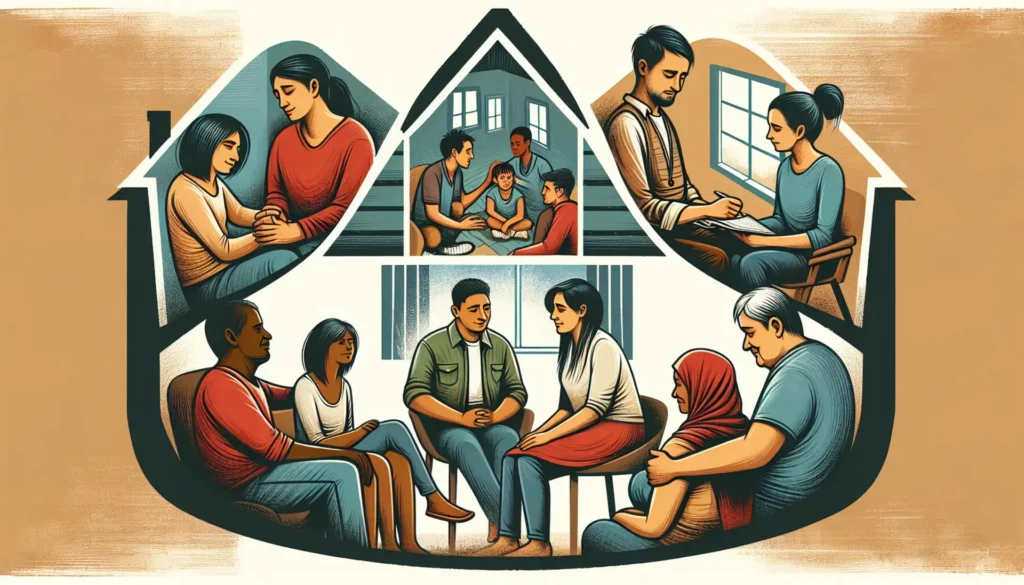
For families and individuals searching for drug addiction treatment near Columbus, the next step is often a conversation. Not a perfect plan. Not a lifetime commitment made all at once. A conversation about what is happening, what level of support is safest, and what services can help the person move from crisis toward recovery. That first honest exchange can be the moment treatment stops being an abstract idea and becomes a real opening.
Ends · DEVINWFOD777