How Holistic Supports Complement Drug Addiction Treatment at Recreate Ohio
Drug addiction treatment works best when it treats the whole person without losing sight of the clinical work at the center of recovery. That balance matters. A person entering care may need detoxification, medication support, therapy, psychiatric attention, family involvement, and a safe structure for daily living. At the same time, they may also need help sleeping, calming their nervous system, rebuilding physical strength, learning how to sit with discomfort, and finding healthy ways to connect with themselves and others.
Recreate Ohio, located in Gahanna just outside Columbus, describes its approach as a full continuum of care that includes detox, residential or inpatient rehab, and outpatient treatment. The facility also provides primary mental health services in a residential treatment setting. Within that larger clinical framework, Recreate Ohio may incorporate holistic supports such as yoga and mindfulness, art therapy, adventure therapy, equine therapy, Reiki, acupuncture, chiropractic care, fitness and wellness activities, and nutrition education.
The word “holistic” can be misunderstood. It does not mean replacing medical care with feel-good extras. In a responsible treatment setting, holistic supports are not substitutes for detox, medication-assisted treatment, therapy, or psychiatric care. They are complementary services that can help people participate more fully in treatment, tolerate early recovery, and begin practicing healthier ways of living.
That distinction is especially important in drug addiction treatment. Addiction affects behavior, biology, relationships, mood, decision-making, and the body’s ability to regulate stress. A narrow approach can miss the daily realities that often shape whether someone stays engaged in care. A broader approach can help people build recovery skills in more than one setting, not only in a therapy room.
The clinical foundation comes first
Any meaningful discussion of holistic support has to begin with the clinical foundation. Recreate Ohio identifies detox, residential or inpatient rehab, and outpatient treatment among its services. It also notes that treatment may include cognitive behavioral therapy, dialectical behavior therapy, EMDR, medication-assisted treatment, individual therapy, group therapy, family therapy, and couples therapy.
Those services form the core of treatment. Detox addresses the physical process of withdrawal when it is clinically appropriate. Residential treatment provides structure and support for people who need a more intensive level of care. Outpatient treatment allows continued therapeutic work while a person is living with more independence. Medication-assisted treatment may be part of care for some people, depending on the substance involved, the person’s clinical needs, and the judgment of qualified professionals.
Therapies such as CBT and DBT are widely used because they give people practical tools. CBT helps people examine the connection between thoughts, emotions, behaviors, and consequences. DBT places special emphasis on distress tolerance, emotion regulation, mindfulness, and interpersonal effectiveness. EMDR may be used when trauma or distressing memories are part of the clinical picture. Individual therapy gives space for personal work. Group therapy allows people to practice honesty, receive feedback, and reduce the isolation that often surrounds addiction. Family and couples therapy can help address relationship patterns that may affect recovery.
Holistic supports fit into this picture only when they reinforce, rather than distract from, that clinical foundation. A yoga session can help someone notice tension in the body, but it does not replace therapy. Nutrition education can help a person understand how food, hydration, and routine affect energy, but it does not replace medical care. Art therapy can make difficult emotions easier to express, but it should not be confused with a complete treatment plan by itself.
Ohio’s treatment landscape also reflects the importance of a continuum of care. State law calls for a community-based continuum for opioid and co-occurring drug addiction that includes detoxification, outpatient services, medication-assisted treatment, peer support, residential services, recovery housing, and multiple pathways to recovery. Providers delivering substance use disorder treatment in Ohio must be certified by the Ohio Department of Mental Health and Addiction Services under state law. That regulatory backdrop reinforces a practical point: effective care should be structured, accountable, and broad enough to meet different levels of need.
Why whole-person support matters in early recovery
Early recovery is rarely smooth. People may arrive in treatment after weeks, months, or years of disrupted sleep, poor nutrition, strained relationships, unmanaged mental health symptoms, and repeated cycles of withdrawal or intoxication. Even when the immediate medical risks are being addressed, the person may feel physically depleted and emotionally raw.
A person can understand, intellectually, that recovery is necessary and still struggle to sit through a group session because their body feels restless. They can want sobriety and still react strongly to shame, anxiety, or boredom. They can agree with a treatment plan and still feel disconnected from their body after long periods of substance use. Holistic supports can help bridge that gap between insight and practice.
Mindfulness, for example, can give someone a simple way to pause before reacting. That pause may last only a few seconds at first. In treatment, those seconds count. They create room to use a coping skill, ask for help, or choose not to follow an urge. Yoga and movement-based activities can help people notice the relationship between breath, posture, tension, and mood. Fitness and wellness activities can reintroduce routine and physical care without framing the body as a problem to punish or fix.
Nutrition education can also play a practical role. Addiction often disrupts eating patterns. Some people arrive having skipped meals for long stretches. Others have relied on convenience food, caffeine, or sugar to get through the day. Nutrition education does not need to be complicated to be helpful. Learning how regular meals, hydration, and balanced choices affect mood and energy can support the broader treatment process.
The value is not in pretending that a wellness activity cures addiction. It does not. The value is in giving people more ways to regulate themselves, notice patterns, and participate in the clinical work that supports long-term recovery.
Holistic care should not dilute accountability
There is a risk in the addiction treatment field of using comforting language too loosely. “Holistic” can become vague if it is not connected to a real plan. Good treatment does not avoid hard conversations. It does not excuse harmful behavior, minimize relapse risk, or replace evidence-informed therapy with pleasant activities.
For holistic supports to have value, they need to sit inside a treatment environment that maintains clinical accountability. At Recreate Ohio, the broader program may include therapies such as CBT, DBT, EMDR, medication-assisted treatment, and individual, group, family, and couples therapy. Holistic services should support the goals established through those clinical channels.
That might mean a mindfulness practice helps a person apply DBT distress-tolerance skills when cravings appear. It might mean art therapy gives a person a safer way to explore grief that later becomes part of an individual therapy session. It might mean nutrition education helps stabilize daily routines so the person is less vulnerable to exhaustion and impulsive decision-making. It might mean adventure therapy or equine therapy creates opportunities to practice trust, frustration tolerance, and communication outside a traditional office setting.
The key is integration. If holistic supports operate as disconnected activities, their benefit can be limited. If they are tied to treatment goals, they can become another setting where recovery skills are practiced.
The role of mindfulness, yoga, and body awareness
Many people entering drug addiction treatment have lived for a long time in survival mode. Their bodies may feel like sources of pain, craving, panic, or shame. Some have learned to ignore physical signals until those signals become impossible to manage. Others feel every sensation intensely and interpret discomfort as danger.
Yoga and mindfulness can help rebuild a person’s relationship with the body in gradual, structured ways. This does not require advanced poses or long meditation sessions. In treatment, the practical version often starts with noticing the breath, identifying tension, grounding attention in the present moment, and learning that discomfort can rise and fall without immediate escape.
That matters because cravings are not only thoughts. They are often physical experiences: tightness in the chest, agitation, sweating, racing thoughts, jaw tension, stomach discomfort, or a sense of https://www.recreateohio.com/addiction/ urgency. Mindfulness does not make those sensations pleasant. It helps a person observe them without automatically obeying them.
For someone in early recovery, even a short mindfulness exercise can be difficult. Silence may feel uncomfortable. Closing the eyes may not feel safe for everyone. A trauma-informed approach matters here. Some people do better with eyes open, seated near an exit, or focused on an external object rather than internal sensations. Others may prefer movement over stillness. Good clinical judgment means adapting the support to the person rather than forcing the person into a rigid wellness model.
Yoga can have similar benefits when offered responsibly. It can teach pacing, breathing, balance, and attention. It can also help people experience effort without panic and rest without guilt. Those are small lessons, but they are deeply relevant to recovery.
Creative expression when words are not enough
Drug addiction often comes with stories people have not told clearly, even to themselves. Shame can flatten language. Trauma can fragment memory. Some people intellectualize their experiences so well that they can describe events without feeling anything. Others feel so much that speech shuts down.
Art therapy can offer another route into expression. The point is not artistic skill. The value lies in making something visible that may be difficult to say directly. A person might use color, shape, texture, or image to represent grief, anger, fear, hope, or confusion. In a treatment setting, that creative process can open a door to reflection.
This can be especially useful for people who are guarded in groups or unsure how to begin individual therapy. A drawing or other creative exercise may give them enough distance from the material to discuss it. Instead of saying, “I am terrified of going home,” they may start by describing an image that feels trapped, divided, or chaotic. That conversation can become clinically meaningful when guided appropriately.
Creative work also gives people an experience of doing something that is not centered on substance use. That may sound simple, but it can be powerful. Addiction narrows life. Recovery has to widen it again. Art therapy can help people rediscover curiosity, patience, and personal meaning.
Adventure therapy, equine therapy, and learning through experience
Not every recovery lesson happens best in a chair. Some people learn more clearly through action, movement, and direct experience. Adventure therapy and equine therapy, when available and appropriate, can support that kind of learning.
Adventure therapy may place people in structured activities that require problem-solving, communication, frustration tolerance, and trust. The details of the activity matter less than the process. How does a person respond when a task is harder than expected? Do they shut down, blame others, rush, avoid asking for help, or keep trying? Those patterns often mirror the same patterns that show up in relationships and recovery.
Equine therapy can create a different kind of feedback. Horses respond to body language, tension, consistency, and approach. For some people, that interaction can make abstract ideas more concrete. A person may begin to see how impatience, fear, or overcontrol affects connection. They may practice calm presence, boundaries, and trust in a way that feels less confrontational than a traditional therapy exchange.
These experiential supports are not magic. They require thoughtful facilitation and must be matched to the person’s clinical needs. Some people may feel anxious around animals. Others may not benefit from adventure-based activities at a particular stage of treatment. The best use of these supports involves judgment, consent, and an understanding of how the activity connects back to recovery goals.
Medication-assisted treatment and holistic supports can coexist
Medication-assisted treatment is sometimes misunderstood as being opposed to holistic care. In reality, the two can coexist within a comprehensive treatment plan. Recreate Ohio notes that medication-assisted treatment may be among the services included in care. Holistic supports do not cancel out the need for medication when medication is clinically appropriate, and medication does not make whole-person support irrelevant.
This is particularly important in opioid and co-occurring drug addiction treatment. Ohio’s continuum of care explicitly includes medication-assisted treatment among the services connected to opioid and co-occurring drug addiction. Safe prescribing and monitoring also matter across the state. Ohio’s OARRS system serves as the statewide electronic database for controlled-substance dispensing information and supports safe prescribing while helping connect people at risk of substance use disorder to resources.
A person receiving medication-assisted treatment may still need help managing stress, rebuilding routines, repairing relationships, addressing trauma, and improving physical health. Medication can reduce risk and support stability for some people, but recovery still asks for behavioral change and daily practice. Holistic supports can help with that daily practice.
The trade-off is that programs must avoid presenting wellness services as a reason to reject appropriate medication. That can be dangerous. A professional approach respects medical evidence, clinical assessment, personal history, and the person’s treatment goals. It also recognizes that recovery pathways differ.
Residential treatment creates room for practice
Recreate Ohio offers residential or inpatient rehab, and its Ohio facility provides primary mental health services in a residential treatment setting. Residential care can create a protected environment where people step away from immediate triggers and focus on stabilization, therapy, and skill-building.
Holistic supports often make particular sense in that setting because the day has structure. A person can attend therapy, participate in groups, and then practice regulation through movement, mindfulness, art, or wellness activities. The repetition matters. Recovery skills become more useful when practiced under different conditions, not only when someone is calm and sitting across from a therapist.
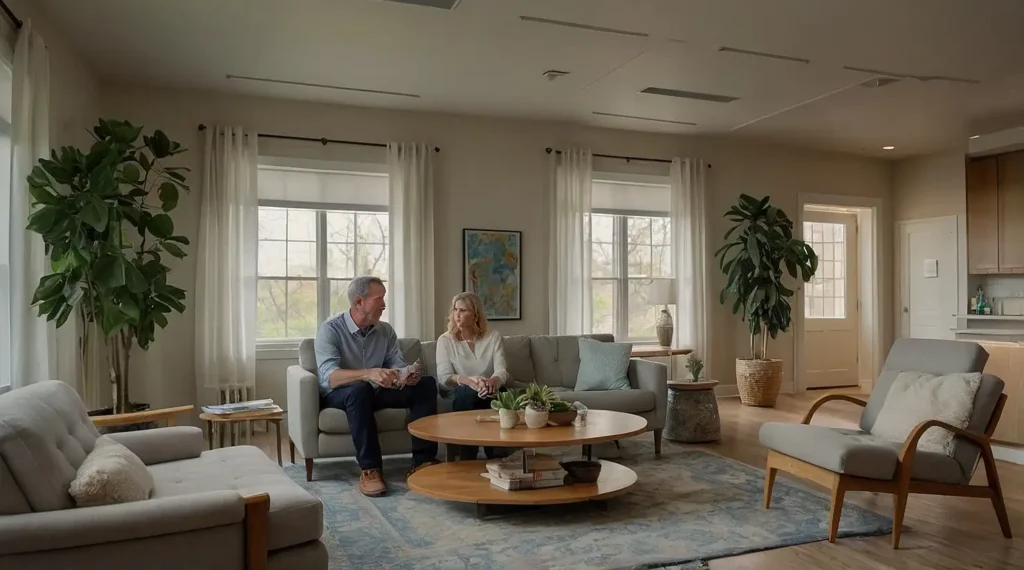
For example, someone may discuss emotional regulation in a DBT-informed session, then notice the same issue during a fitness activity when frustration appears. Another person may explore trauma themes in individual therapy and later use art therapy to process what remains difficult to verbalize. Someone else may learn about nutrition and begin to connect skipped meals with irritability or cravings.
Residential treatment also gives staff the opportunity to observe patterns across settings. A person may present one way in individual therapy and another way in group, movement, or experiential activities. Those observations can be clinically useful when handled respectfully and within the treatment framework.
Outpatient care and carrying supports into daily life
Outpatient treatment serves a different purpose. It allows people to continue care while navigating more of their ordinary life. That transition can be challenging because real-world stressors return: work demands, family conflict, transportation issues, loneliness, old contacts, and familiar environments associated with drug use.
Holistic supports can help during this stage when they translate into realistic habits. A person does not need a perfect routine. In fact, perfection can become another source of shame. What helps is a set of repeatable practices that fit the person’s life.
A practical recovery routine might include a brief mindfulness practice before leaving for work, regular meals to prevent emotional crashes, movement several times a week, therapy appointments, group participation, and planned communication with supportive family members. For another person, the routine may look different. The principle is the same: recovery becomes more stable when it is supported by daily behaviors, not only by good intentions.
Outpatient care can also reveal which holistic practices are likely to last. Some people love yoga in residential treatment but never continue it afterward. Others discover that walking, stretching, cooking simple meals, or creative work is more sustainable. The right support is the one a person will actually use.
Family, couples work, and the home environment
Drug addiction rarely affects only one person. Family members and partners may carry fear, anger, exhaustion, mistrust, or confusion. Recreate Ohio notes that family and couples therapy may be part of treatment. Holistic supports can complement that work, but they cannot replace it.
Family and couples therapy can help people address communication, boundaries, expectations, and the impact of substance use on trust. Holistic practices may support this process by helping the person in treatment regulate emotions before difficult conversations. Mindfulness may help someone pause instead of becoming defensive. Wellness routines may reduce volatility. Creative therapies may help identify feelings that later need to be discussed with loved ones.
Still, relationship repair requires more than calm breathing or better sleep. It requires honesty, consistency, and time. Families may need education about treatment, relapse risk, mental health symptoms, and the difference between support and control. Couples may need structured help to discuss hurt without turning every conversation into accusation or avoidance.
A whole-person approach respects both sides of the equation. It supports the individual’s internal regulation while also addressing the relational realities that shape recovery.
What holistic supports may address in treatment
Holistic supports are most useful when their purpose is clear. They can serve different functions for different people, and the same activity may have different clinical value depending on timing, readiness, and personal history.
A concise way to understand their role is to look at the needs they may support:
- Regulation of stress, anxiety, restlessness, and emotional intensity
- Reconnection with the body after periods of neglect, withdrawal, or dissociation
- Healthy expression of grief, anger, shame, and hope
- Practice with communication, trust, patience, and boundaries
- Development of daily routines that support treatment engagement
Each of these areas matters because drug addiction often disrupts them. A person may not have reliable ways to calm down without substances. They may struggle to name emotions until those emotions become overwhelming. They may want connection but behave in ways that push others away. They may know what they “should” do but lack the routines that make follow-through possible.
Holistic supports give staff and clients additional opportunities to work on these patterns. They do not remove the need for clinical care. They make the clinical work more embodied, more practical, and sometimes more accessible.
The importance of mental health care
Recreate Ohio states that its Ohio facility offers primary mental health services in a residential treatment setting. That matters because drug addiction and mental health concerns often overlap. Anxiety, depression, trauma-related symptoms, mood instability, and other mental health challenges can affect both substance use and recovery.
A person may use drugs to numb panic, escape memories, sleep, socialize, or manage emotional pain. Once substance use stops, the underlying distress may become more noticeable. Without mental health support, that distress can threaten engagement in treatment. With appropriate care, the person can begin to understand what they have been trying to manage and learn safer ways to manage it.
Holistic supports can be helpful here, especially when mental health symptoms show up physically. Anxiety may appear as shallow breathing, muscle tension, stomach distress, or insomnia. Depression may show up as fatigue, low motivation, and disconnection from the body. Trauma may involve hypervigilance, numbness, or difficulty feeling safe. Mindfulness, yoga, art therapy, and wellness activities can support awareness and regulation, but they should be coordinated with mental health treatment rather than treated as standalone answers.
EMDR, CBT, DBT, and individual therapy may each play a role depending on the person’s needs. The exact treatment path should be determined by qualified professionals working with the person directly.
Nutrition, fitness, and the return of ordinary structure
Recovery is often described in emotional or spiritual terms, but ordinary structure deserves more respect. Meals, sleep, movement, hydration, appointments, and hygiene may sound basic. In early recovery, they can be foundational.
Nutrition education can help people understand the practical connection between physical care and emotional stability. Hunger can intensify irritability. Dehydration can worsen fatigue. Erratic eating can make mood swings feel less manageable. A person who is exhausted and underfed has fewer internal resources for therapy, conflict, or craving management.
Fitness and wellness activities can support routine and self-respect. The goal is not athletic performance. For many people in treatment, the first goal is simply learning to move safely, notice limits, and experience the body as something worth caring for. That can be a major shift for someone who has spent years ignoring physical needs or associating the body only with withdrawal, shame, or pain.
There are also edge cases. Some people have medical limitations, pain issues, eating concerns, or trauma histories that make certain wellness activities complicated. A professional program should avoid one-size-fits-all expectations. Movement and nutrition support should be individualized and handled with care.
Complementary therapies and realistic expectations
Recreate Ohio lists Reiki, acupuncture, and chiropractic care among holistic supports that may be provided. These services can appeal to people seeking relief from tension, discomfort, or stress. As with all complementary approaches, expectations should remain realistic.
The responsible way to view these supports is as part of a broader recovery environment, not as primary treatment for drug addiction. Some people may find them calming. Others may not connect with them. Some may prefer talk therapy and structured skills work. Others may benefit from having several ways to settle their bodies and reduce stress.
Choice matters. Recovery asks people to take ownership of their lives, and part of that process is learning which supports help and which do not. A person does not need to embrace every holistic service for treatment to be meaningful. They need a plan that is clinically appropriate, honest, and sustainable.
A continuum allows care to change as needs change
One strength of a full continuum of care is that treatment can shift as the person’s needs change. Someone may begin with detox, move into residential treatment, and later participate in outpatient care. Another person may enter at a different level, depending on clinical assessment. The important point is that drug addiction treatment is not a single event. It is a process that often requires different supports at different stages.
Holistic supports may also shift across that continuum. During detox or early stabilization, the priority may be safety, rest, medical support, and basic grounding. In residential care, a person may have more capacity for therapy, experiential work, wellness routines, and family involvement. In outpatient treatment, the focus may turn toward maintaining practices in real life.
This flexibility aligns with the idea of multiple pathways to recovery. People do not recover in identical ways. Some need intensive structure. Some need medication-assisted treatment. Some need trauma-focused work. Some need family therapy. Many need several of these supports at once. Holistic services add more options, but the pathway still needs clinical direction.
What patients and families should look for
When evaluating holistic supports in any drug addiction treatment setting, the most important question is not how many services are listed. The better question is how those services connect to the treatment plan. A long menu of activities means little if care is fragmented. A smaller set of well-integrated supports may be more valuable than an impressive list without coordination.
Patients and families can listen for signs that the program understands both clinical care and whole-person support. Helpful indicators include clear discussion of levels of care, attention to mental health, appropriate use of medication-assisted treatment when indicated, family involvement when clinically appropriate, and an explanation of how holistic services support recovery goals.
It is also reasonable to ask practical questions:
- Which holistic supports are available at the Ohio facility, and when are they used?
- How are services such as yoga, art therapy, or adventure therapy connected to clinical goals?
- Who determines whether a person is appropriate for a specific activity?
- How does the team coordinate mental health care, therapy, and medication-assisted treatment?
- What happens as a person moves from residential care into outpatient treatment?
These questions keep the focus where it belongs: on safe, coordinated, individualized care. They also help families avoid being distracted by language that sounds appealing but lacks substance.
The practical value of feeling human again
One of the quieter losses in drug addiction is the loss of ordinary identity. People may come to see themselves only through the lens of their substance use, their consequences, or their diagnosis. Treatment has to address the addiction directly, but it also has to help the person remember that they are more than the worst parts of their history.
Holistic supports can contribute to that process. A person who completes a difficult activity in adventure therapy may feel capable for the first time in months. Someone who participates in art therapy may discover that grief can be expressed without being destructive. A yoga or mindfulness practice may help someone experience a moment of calm without substances. Nutrition and fitness routines may help restore a sense of dignity and care.
These moments do not erase the hard work ahead. They do not guarantee sobriety. They do not replace therapy, medication, accountability, or continuing support. But they can make recovery feel more livable. That matters because people are more likely to engage in treatment when they can imagine a life worth practicing for.
At Recreate Ohio, holistic supports appear within a broader treatment framework that may include detox, residential or inpatient rehab, outpatient care, medication-assisted treatment, evidence-informed therapies, mental health services, and family or couples work. Used thoughtfully, those holistic options can help people regulate, express, connect, and rebuild structure while the clinical work addresses the addiction itself.
The best drug addiction treatment does not ask a person to choose between medical care and whole-person care. It recognizes that recovery involves the brain, body, relationships, habits, and environment. Holistic supports are most effective when they serve that larger purpose: helping people become stable enough, honest enough, and supported enough to keep doing the work of recovery.
Ends · DEVINWFOD777