What Ohio's OARRS System Method for Drug Addiction Avoidance and Treatment
Ohio's action to prescription drug abuse sits at the intersection of medicine, public safety, privacy, medical judgment, and long-lasting recovery assistance. OARRS, the Ohio Automated Rx Reporting System, is among the clearest examples of that crossway. It is Ohio's statewide electronic database for controlled-substance dispensing details, and it provides prescribers and pharmacists a tool for much safer decision-making when managed medications are involved.
For individuals outside clinical or pharmacy settings, a drug-monitoring database can sound cold or punitive. In practice, its value depends upon how it is utilized. OARRS is not treatment. It is not a diagnosis. It does not replace a cautious conversation between a clinician and a patient. But it can assist determine threat, minimize hazardous prescribing patterns, and create an opportunity to connect somebody with suitable assistance before a crisis deepens.
That distinction matters. Drug addiction prevention is not just about stopping access to medications. It is also about recognizing patterns early, responding with skill, and making treatment reachable when a person is ready or when a family is looking for help. Ohio's broader system shows that truth. State law requires a community-based continuum of look after opioid and co-occurring drug addiction, including cleansing, outpatient care, medication-assisted treatment, peer support, residential services, recovery housing, and multiple pathways to healing. OARRS functions best when it is comprehended as one part of that continuum, not as the whole answer.
What OARRS really does
OARRS gathers controlled-substance giving information throughout Ohio. In plain language, it allows licensed users to evaluate particular prescription histories including controlled medications. That can assist a prescriber see whether a patient has actually just recently filled comparable medications, whether there are overlapping prescriptions, or whether a pattern recommends a need for closer assessment.
The system supports safe prescribing. It likewise supports a more comprehensive public health function: assisting link individuals at risk of substance usage disorder to resources. Those 2 functions should not be separated. A much safer prescription choice might mean adjusting a medication strategy, discussing dangers more openly, coordinating with another company, or encouraging an assessment for substance usage concerns. In some cases it might imply continuing medication when medically suitable, with more cautious tracking. Other times it might suggest recognizing that the individual requires drug addiction treatment, not another short-term fix.
Anyone who has actually worked around dependency care knows that the very first signal is hardly ever tidy. A patient may present with discomfort, stress and anxiety, sleeping disorders, withdrawal symptoms, shame, worry of being evaluated, or a complex case history. A database can not arrange all of that out. What it can do is add a layer of details that helps a clinician ask much better questions.
The quality of the action still depends on the human reading the information. A pattern in OARRS need to welcome assessment, manual condemnation. There is a significant distinction between a patient who is confused about numerous prescriptions after surgical treatment, a client whose care has been fragmented across suppliers, and a patient showing signs of active compound use condition. The system may reveal a pattern, but it does not describe the person.
Why prescription monitoring matters for prevention
Prevention frequently gets described as education, and education is very important. People must comprehend the dangers of opioids and other controlled substances, the risk of combining sedating medications, and the importance of protected storage. However prevention also happens inside common scientific workflows. It takes place when a company pauses before composing a prescription. It occurs when a pharmacist notices an issue. It happens when a patient is asked a direct however respectful concern before harm accelerates.
OARRS offers Ohio clinicians and pharmacists a clearer view of controlled-substance giving history. That visibility can decrease blind areas. Without a monitoring system, a supplier might only understand what a patient reports or what appears in one medical record. Care is often spread out across urgent care centers, specialists, emergency situation departments, medical care workplaces, and drug stores. OARRS assists bring controlled-substance dispensing details into one statewide picture.
That matters because drug addiction can establish gradually. Some people start with a genuine prescription and after that find themselves taking more than planned. Others have a history of compound usage disorder and become susceptible after an injury, a dental treatment, or a duration of psychological Addiction Treatment in Ohio tension. Some people move between prescribers since their lives are unstable, not since they are attempting to deceive anybody. Others are actively looking for medications for abuse. Prevention has to be advanced sufficient to distinguish these situations when possible.
A practical example: a patient arrives at a clinic reporting extreme pain and requests a regulated medication. The provider evaluates the medical complaint, carries out a proper assessment, and checks OARRS. If the database shows recent controlled-substance fills from numerous sources, that does not immediately prove dependency. It does suggest the provider has a duty to decrease, clarify the history, and consider safety. The discussion might expose bad care coordination, without treatment withdrawal, unmanaged pain, or a substance use condition that has actually never ever been attended to. Each of those findings leads to a different plan.
Good avoidance is not merely stating alcoholism counseling no. Often a rejection without description presses an individual away from genuine care. Better avoidance integrates safe recommending with a path to help. If threat exists, the next step needs to include useful alternatives: examination, medication-assisted treatment when appropriate, outpatient assistance, cleansing if required, or referral into a level of care that matches the person's condition.
The threat of misunderstanding OARRS
Any monitoring tool can be misused if it ends up being a shortcut for judgment. Clients with dependency histories frequently carry deep fear of being labeled, dismissed, or treated as dishonest. If OARRS is utilized only to face or reject, it can broaden the range in between patients and treatment. That is especially unsafe because embarassment already keeps many people from seeking help.
A professional response utilizes OARRS as one piece of a larger scientific image. It needs to sit next to medical history, behavioral observations, client self-report, toxicology when clinically suitable, collateral information when available and allowed, and an understanding of the individual's social situation. Individuals with drug addiction are not data points. They are patients with medical, mental, household, and environmental needs.
There is also a compromise in between vigilance and gain access to. Controlled medications can bring serious danger, and careless prescribing can trigger damage. At the same time, some clients legally need regulated medications. A system developed for security should not create blanket worry among prescribers or pharmacists. The best usage of OARRS is not to eliminate clinical judgment, but to hone it.
This is where training and treatment accessibility become central. If a supplier identifies threat however has no place to send out the patient, the chance might be lost. If a client is told, "You need assistance," but receives no useful path into care, that statement may seem like rejection. Ohio's required continuum of care is important because avoidance and treatment must be connected. A cautioning indication must lead somewhere.
How OARRS fits into Ohio's continuum of care
Ohio law requires a community-based continuum of look after opioid and co-occurring drug addiction. That phrase can sound administrative, however it shows a reality families understand quickly: dependency treatment is not one service. It is a series of supports that may need to change as the person stabilizes.
An individual in acute withdrawal may need cleansing before meaningful treatment can begin. Another person may be physically steady but unable to stop using without medication-assisted treatment and intensive outpatient support. Someone leaving property care may require recovery housing, peer support, and outpatient therapy to avoid returning to the exact same conditions that fueled use. A patient with co-occurring mental health signs may require integrated care instead of a narrow concentrate on substance use alone.
Ohio's continuum consists of ambulatory and sub-acute cleansing, non-intensive and intensive outpatient services, medication-assisted treatment, peer support, residential services, healing housing, and several pathways to healing. That variety matters because drug addiction does not provide the exact same way in every person. A steady adult with transport, work, and family support may be successful in outpatient treatment. A person with serious withdrawal risk, unstable real estate, or repeated regression might need a more structured level of care.
OARRS can help determine when an individual might be moving into danger, however the continuum identifies whether the system can respond well. The database may flag risk. The treatment network should supply the next step.
From a worrying pattern to a treatment conversation
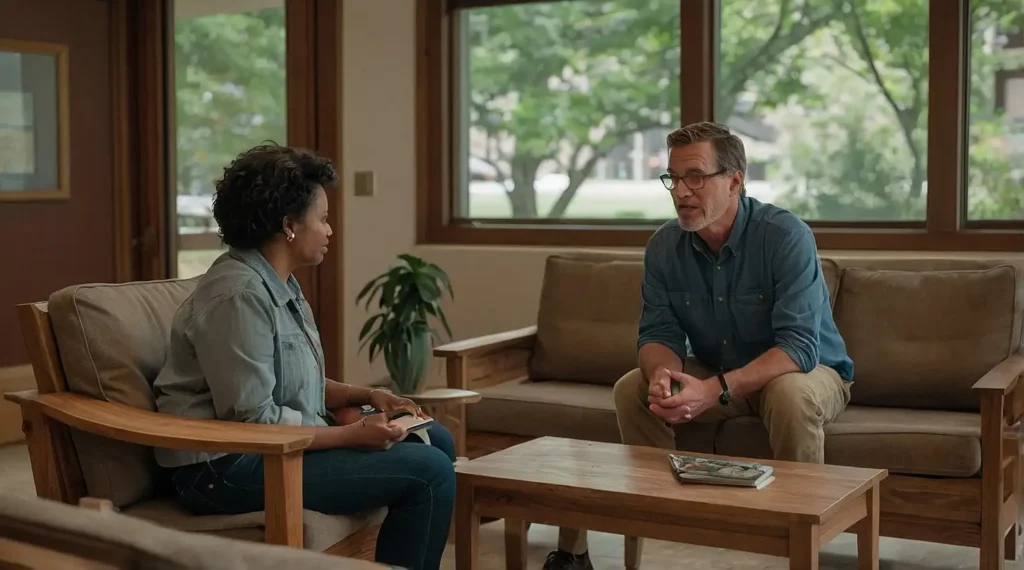
The minute after a concerning OARRS evaluation is delicate. Clinicians can either open a door or close it. Clients often understand when they are losing control, even if they are not prepared to say it plainly. A blunt allegation can set off defensiveness. An unclear caution can be neglected. A competent conversation is direct, particular, and respectful.
For example, a company might say that the prescription history raises security issues and that integrating or duplicating regulated medications can increase danger. Then the provider can ask what has been occurring, whether the patient feels in control of medication usage, and whether withdrawal, cravings, or worry of going out have actually entered into every day life. Those concerns are not soft. They are scientifically helpful. They include honesty.
The goal is not to win an argument. The objective is to examine risk and deal aid. If a client acknowledges an issue, the company can go over treatment options. If the client denies any issue but the danger remains high, the company can still set safe prescribing boundaries and provide details about resources. Some people reject help the very first time and accept it later on due to the fact that the discussion was handled with dignity.
Drug dependency treatment often begins with ambivalence. People may want relief however fear withdrawal. They might desire healing however worry about work, kids, legal problems, or family reactions. They might have attempted treatment before and relapsed. OARRS does not fix those barriers. It can, however, create an earlier minute of recognition.
Certified treatment providers and why certification matters
Ohio treatment companies that provide compound usage disorder treatment should be licensed by the Ohio Department of Mental Health and Dependency Providers under state law. For clients and households, that point is more than a regulatory information. Certification supplies a baseline expectation that a provider is running within Ohio's standards for substance usage condition services.
When households search for care, they often experience a confusing landscape. Some programs offer detox. Some offer domestic treatment. Some concentrate on outpatient therapy. Others offer healing housing or peer support. Marketing language can sound similar from one place to another, especially when a household is under pressure and trying to decide rapidly. Understanding that substance usage disorder treatment service providers should be accredited in Ohio offers families one concrete factor to confirm as they evaluate options.
Certification alone does not respond to every question. An individual still needs the right level of care, certified scientific personnel, suitable treatment preparation, and services that match their requirements. But accreditation is part of responsible treatment choice, especially when the stakes are high and the individual might be clinically or emotionally vulnerable.
Levels of care are not interchangeable
One typical error in dependency treatment preparation is treating all programs as if they do the very same thing. They do not. Detoxing, residential treatment, extensive outpatient treatment, and non-intensive outpatient services serve various medical purposes.
Detoxification addresses the instant medical and physical process of withdrawal. For some compounds and some clients, withdrawal can be unpleasant but workable with assistance. For others, it can be medically severe and requires close supervision. Detox is frequently necessary, but it is not the like rehab. A person can finish detox and still have the very same yearnings, triggers, relationships, and mental health signs that drove substance use.
Residential treatment supplies a structured setting where the individual can step far from day-to-day triggers and participate in treatment, healing preparation, and stabilization. It can be especially helpful for people whose home environment is unsafe, whose symptoms are severe, or whose regression pattern has actually continued in spite of lower levels of care.
Outpatient treatment allows an individual to get care while living at home or in another community setting. Intensive outpatient services offer more structure than basic outpatient care, while non-intensive outpatient services may support ongoing recovery once an individual has actually stabilized. Medication-assisted treatment can be a vital part of take care of opioid dependency and might be integrated with therapy and recovery support.
Peer assistance and healing real estate address another fact: treatment gains need a life to reside in. People frequently require sober assistance, accountability, practical motivation, and a safe environment after official treatment hours end. Numerous pathways to recovery acknowledge that healing is not similar for every person. Some individuals lean greatly on scientific care. Others find peer communities central. Lots of requirement both.
Where Recreate Ohio fits for individuals near Columbus
For people and families in central Ohio, Recreate Behavioral Health Network determines its Ohio place, Recreate Behavioral Health of Ohio, likewise referred to as Recreate Ohio, as being in Gahanna, simply outside Columbus. The organization says the facility uses detox, domestic or inpatient rehab, and outpatient treatment. It also explains the Ohio center as providing a complete continuum of care and offering primary psychological health services in a property treatment setting.
That combination matters because many people seeking drug addiction treatment are not dealing with substance use alone. Stress and anxiety, anxiety, injury signs, mood instability, sorrow, and household stress can make complex healing. When mental health needs are not dealt with, treatment can become fragmented. A person might stop using for a brief period but continue to struggle with the distress that contributed to compound use in the very first place.
Recreate states that treatment at its Ohio center may include cognitive behavioral therapy, dialectical behavior modification, EMDR, medication-assisted treatment, individual treatment, group treatment, family treatment, and couples therapy. It likewise states the center might offer holistic supports such as yoga or mindfulness, art therapy, adventure therapy, horse therapy, Reiki, acupuncture, chiropractic care, fitness and wellness activities, and nutrition education.
Those services reflect a broad treatment approach. The core medical concern for any patient remains whether the program's services match the person's medical diagnosis, intensity, medical needs, and healing goals. Holistic supports can be valuable when they match evidence-informed scientific care, not when they replace it. A person in withdrawal requires proper cleansing. A person with opioid addiction might require medication-assisted treatment. An individual with trauma symptoms might take advantage of trauma-focused therapy. Health activities may support healing, but the foundation needs to be scientifically sound.
What households must ask when OARRS raises concern
Families typically do not see OARRS directly in the way clinicians and pharmacists do, however they typically live with the patterns that make prescription tracking relevant. Missing pills, intensifying dosages, repeated urgent requests for medication, several prescribers, unusual secrecy, withdrawal symptoms, and emotional volatility can all timely issue. None of these indications alone shows dependency, but they justify a severe conversation.
When a prescriber or pharmacist raises a concern, families must resist the urge to treat it as either a moral failure or a basic misconception. Sometimes it is one piece of a bigger compound use disorder. Often it shows poor coordination of care. The best response is to look for an evaluation from a qualified professional and to ask practical concerns about level of care.
Useful concerns consist of:
- Is cleansing medically necessary before treatment begins?
- Would outpatient treatment be suitable, or is domestic care recommended?
- Is medication-assisted treatment medically indicated?
- How will co-occurring psychological health signs be assessed and treated?
- What support is available after the very first stage of treatment ends?
These questions keep the focus on care instead of blame. They likewise assist families avoid picking a program based just on area, expense, urgency, or a site description. Addiction treatment must be matched to need.
What patients deserve when danger is identified
An individual whose prescription history raises concern deserves sincerity. They likewise should have regard. Those 2 principles can exist together. Safe prescribing often needs firm boundaries. Treatment engagement often requires persistence. A clinician can decline to prescribe in an unsafe method while still offering care, recommendations, and follow-up.
Patients deserve to hear the particular concern, not an unclear accusation. They should have a possibility to discuss their history. They are worthy of details about treatment alternatives that fit the severity of the problem. If withdrawal exists, they deserve to know whether cleansing is suitable. If opioid dependency is presumed or detected, they deserve a discussion of medication-assisted treatment. If psychological health symptoms belong to the picture, they should have integrated attention to those symptoms.
They likewise are worthy of privacy and professionalism. Prescription tracking involves delicate information. The truth that controlled-substance data can support safety does not make it casual information. Trust is delicate in dependency care. A client who feels exposed or shamed might disappear from care altogether.
The practical limitations of OARRS
OARRS is a strong tool, however it has boundaries. It consists of controlled-substance giving info. It does not catch every aspect of substance usage. It does not show the complete context of pain, trauma, psychological health, household stress, or recovery attempts. It does not determine whether a person is prepared for treatment. It does not replace a diagnosis by a certified professional.
It likewise can not ensure that a person at danger will accept help. Many people need more than one conversation before they enter treatment. Some agree to an assessment and then retreat. Others enter detox however resist continued care. Some complete residential treatment and battle throughout the transition back home. These are not reasons to dismiss the worth of early identification. They are pointers that dependency is chronic and complex for lots of people.
The system's benefit grows when it is coupled with a responsive care network. If a pharmacist notices risk, if a prescriber reacts thoughtfully, if treatment providers are accessible, and if households are educated rather than panicked, OARRS can contribute to prevention in a significant method. If any part of that chain breaks, the opportunity ends up being weaker.
Prevention and treatment work best when connected
Drug addiction avoidance and drug addiction treatment are frequently gone over independently, however in reality they overlap. An individual determined early may need quick intervention and monitoring. Another individual recognized at the exact same point may currently require intensive treatment. Avoidance can end up being treatment in a single medical conversation.
Ohio's continuum of care acknowledges that individuals require different doors into healing. Some go into through a medical care appointment. Some through a pharmacy issue. Some through a family intervention, an emergency situation, detox, residential care, or outpatient treatment. OARRS is one of the tools that can make those entry points more visible when controlled compounds are involved.
The finest outcomes generally originate from collaborated action. Prescribers use OARRS to recommend more securely. Pharmacists use professional judgment when giving controlled medications. Certified treatment suppliers offer appropriate levels of care. Families find out how to respond without enabling or shaming. Patients are dealt with as individuals who require aid, responsibility, and medical care, not as problems to be moved out of sight.
A determined view of what OARRS implies for Ohio
OARRS represents a useful reaction to a challenging issue. It provides Ohio a statewide view of controlled-substance giving details and supports much safer prescribing. It can assist identify people at risk of substance usage disorder and develop chances to connect them with resources. Those are important contributions.
But the system's significance depends upon what occurs next. A database can illuminate risk, however it can not build recovery. Recovery needs assessment, appropriate level of care, clinical treatment, medication when indicated, peer assistance, household participation when valuable, safe real estate for some, and several paths for long-term change.
For Ohio clients and households, the most helpful method to understand OARRS is not as a penalty system, but as an early-warning and security tool. When it raises concern, the action must be careful, humane, and linked to genuine treatment alternatives. For clinicians and pharmacists, it is a suggestion that prescribing choices carry public health consequences. For treatment providers, it reinforces the requirement for available, qualified, thorough care that can receive individuals when risk is identified.
Drug addiction thrives in silence, fragmentation, and delay. OARRS helps in reducing some of that fragmentation. Ohio's continuum of care provides the state a structure for what must follow. The work is making certain that every warning sign ends up being an opportunity to step in, and every intervention offers a reputable path toward recovery.
Ends · DEVINWFOD777